
Urban — Built for Tomorrow
Precision TIG-welded frame. Lock-bolted joints. One-piece roof & floor. Engineered to last in New Zealand’s toughest terrain.
Build Highlights
The Chassis – Built In-House, Built for the Van
Description text (Right) – One of the most noticeable changes in recent years is that Urban now builds their own chassis through X-Treme Chassis. That’s a big deal. It means the chassis isn’t a generic platform like a lot of brands, it’s designed specifically for the caravan going on top of it.
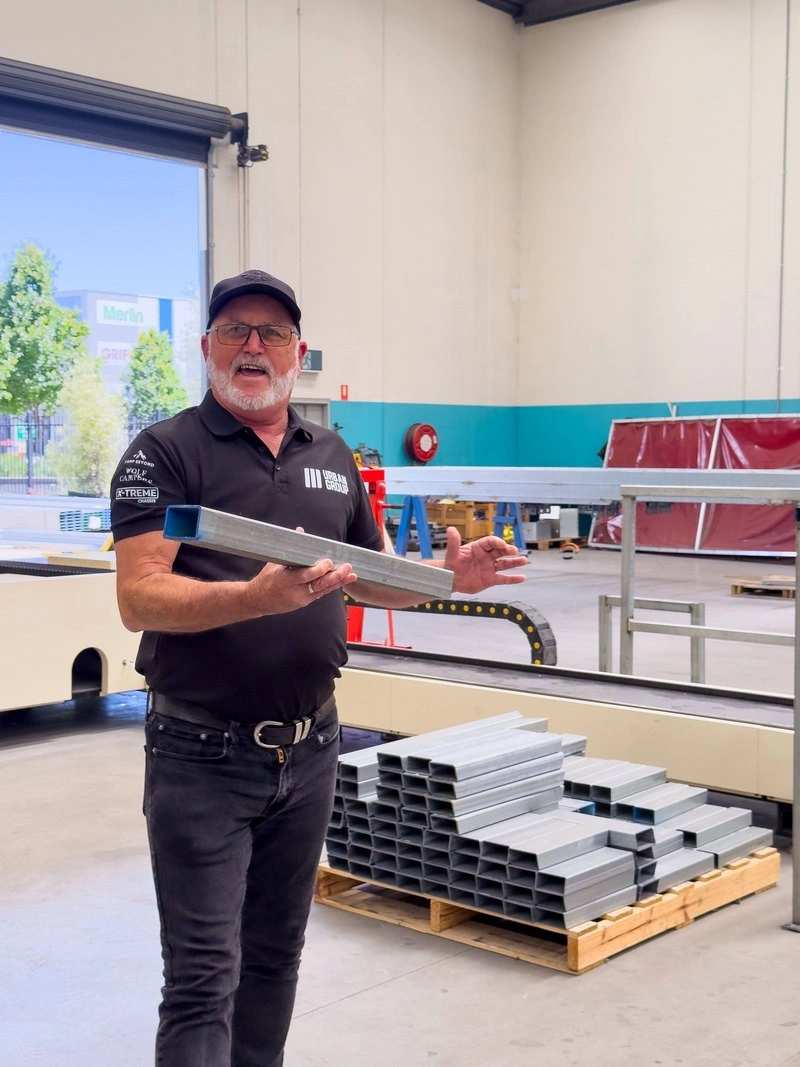
Each chassis starts off with some of the best high-strength steel on earth – Australian SupaGal steel. SupaGal is a pre-galvinized steel with a zinc coating on both the inside AND outside of the steel – It’s the absolute real deal. It’s then cut into the appropriate sizes, and fully welded with the dimensions and load paths matched to the model of caravan that is to be built on top. Nice.
Another standout feature of the X-Treme is Urban’s Z-channel design. Instead of the caravan walls simply being fixed downward to the floor (which is common across the industry), the walls actually sit on a section of chassis steel that extends past the floor. That means the wall is supported underneath and bolted through the side as well. The result is a much more solid connection between the chassis, floor and walls.
It’s one of those details you can’t see once the van is finished, but it’s exactly the kind of thing that sets a genuine premium off road caravan apart 10 years down the track.
Description text (Right) – One of the most noticeable changes in recent years is that Urban now builds their own chassis through X-Treme Chassis. That’s a big deal. It means the chassis isn’t a generic platform like a lot of brands, it’s designed specifically for the caravan going on top of it.
Each chassis starts off with some of the best high-strength steel on earth – Australian SupaGal steel. SupaGal is a pre-galvinized steel with a zinc coating on both the inside AND outside of the steel – It’s the absolute real deal. It’s then cut into the appropriate sizes, and fully welded with the dimensions and load paths matched to the model of caravan that is to be built on top. Nice.
Another standout feature of the X-Treme is Urban’s Z-channel design. In ...
TIG-Welded Aluminium Frame
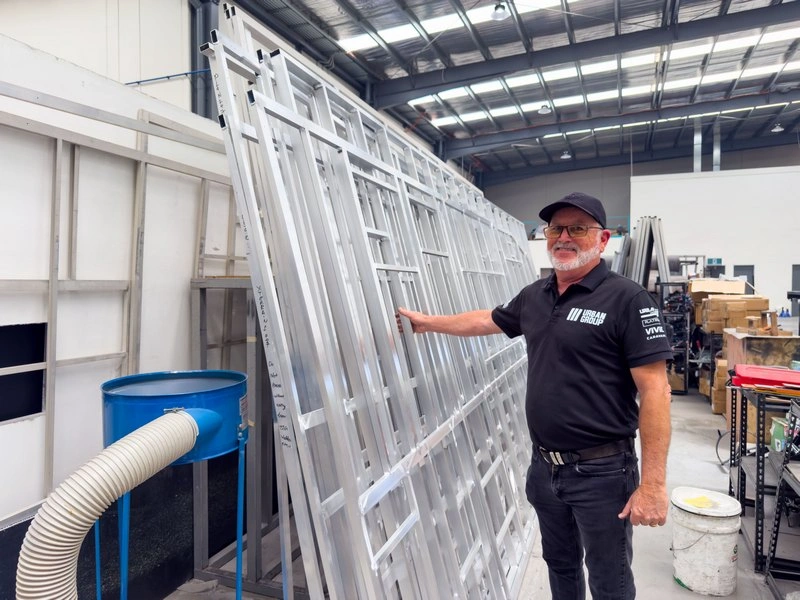
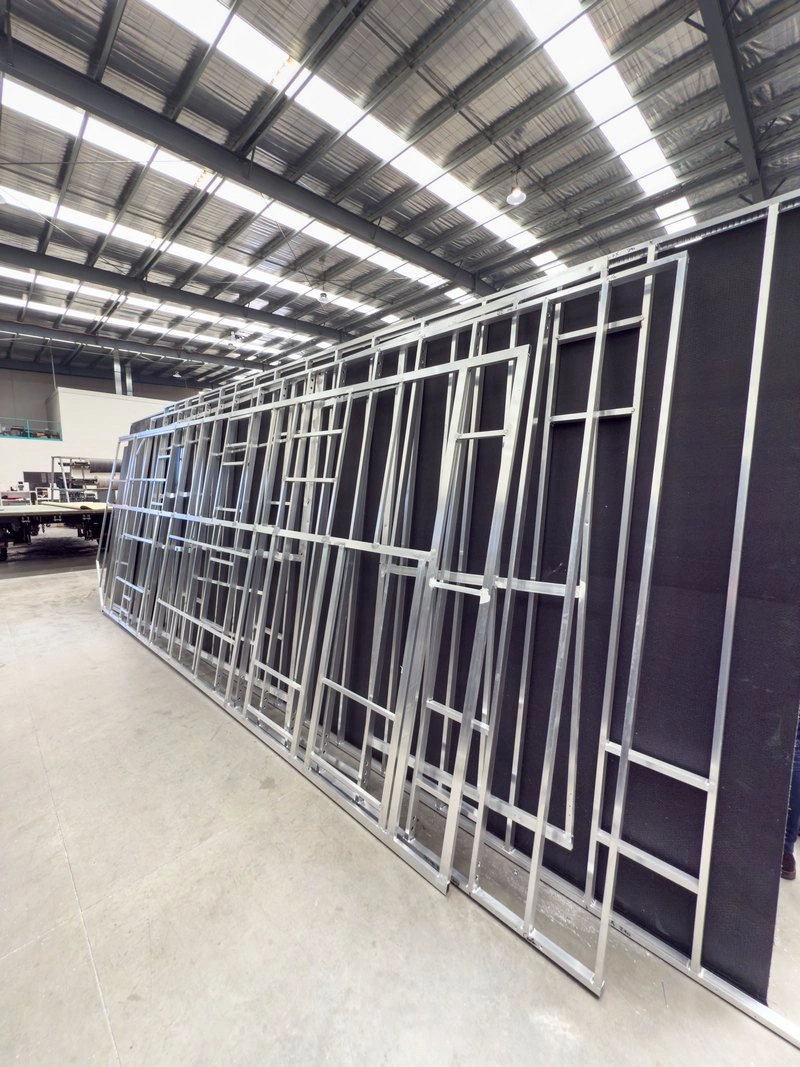
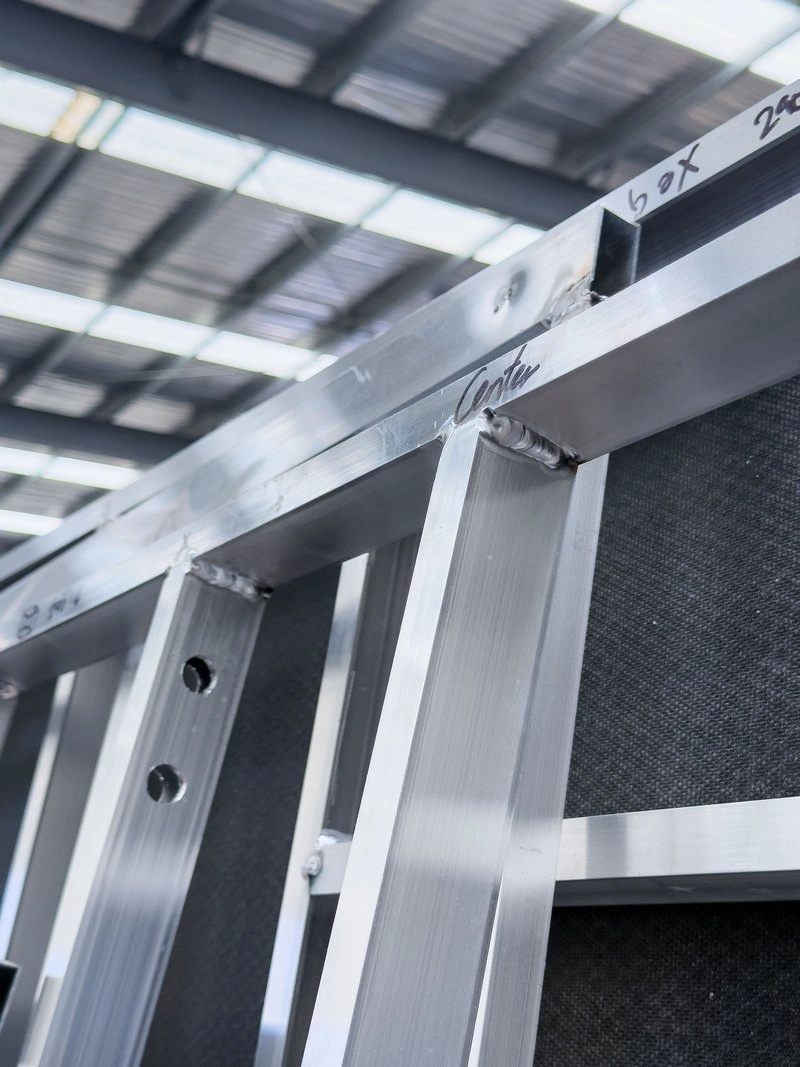
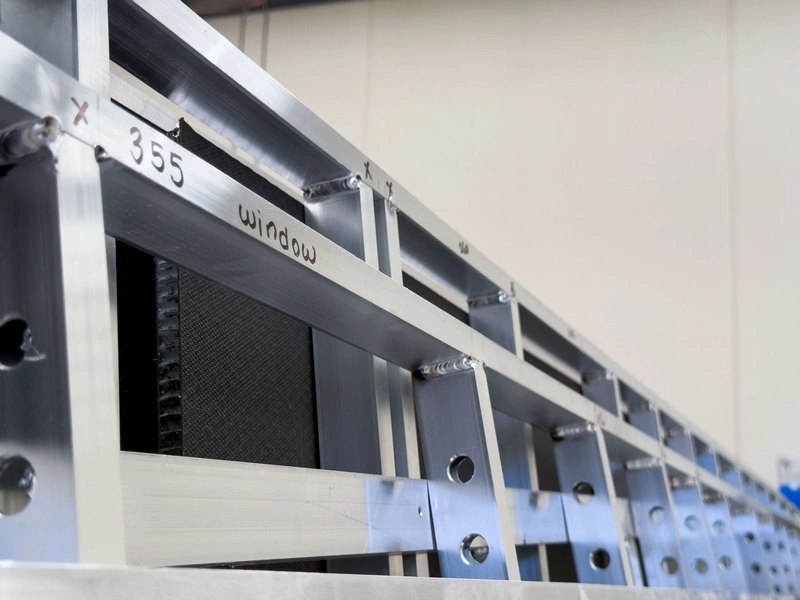
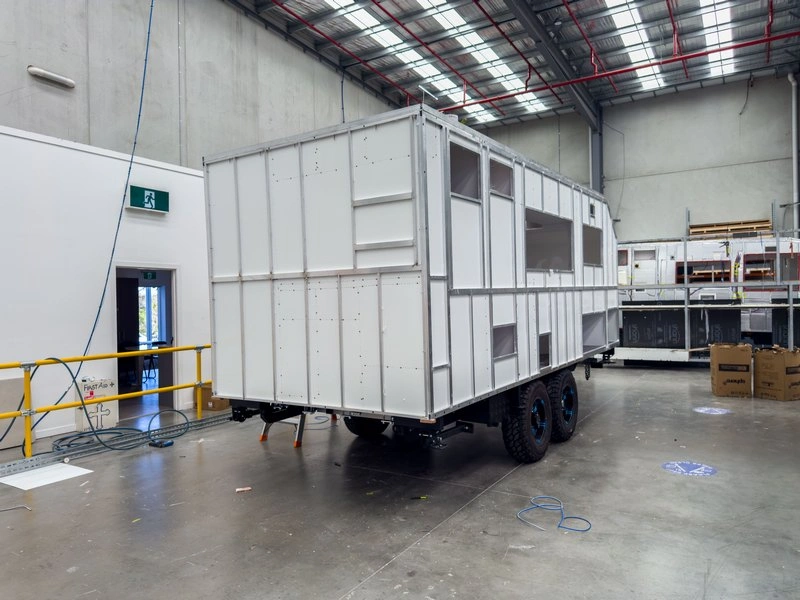
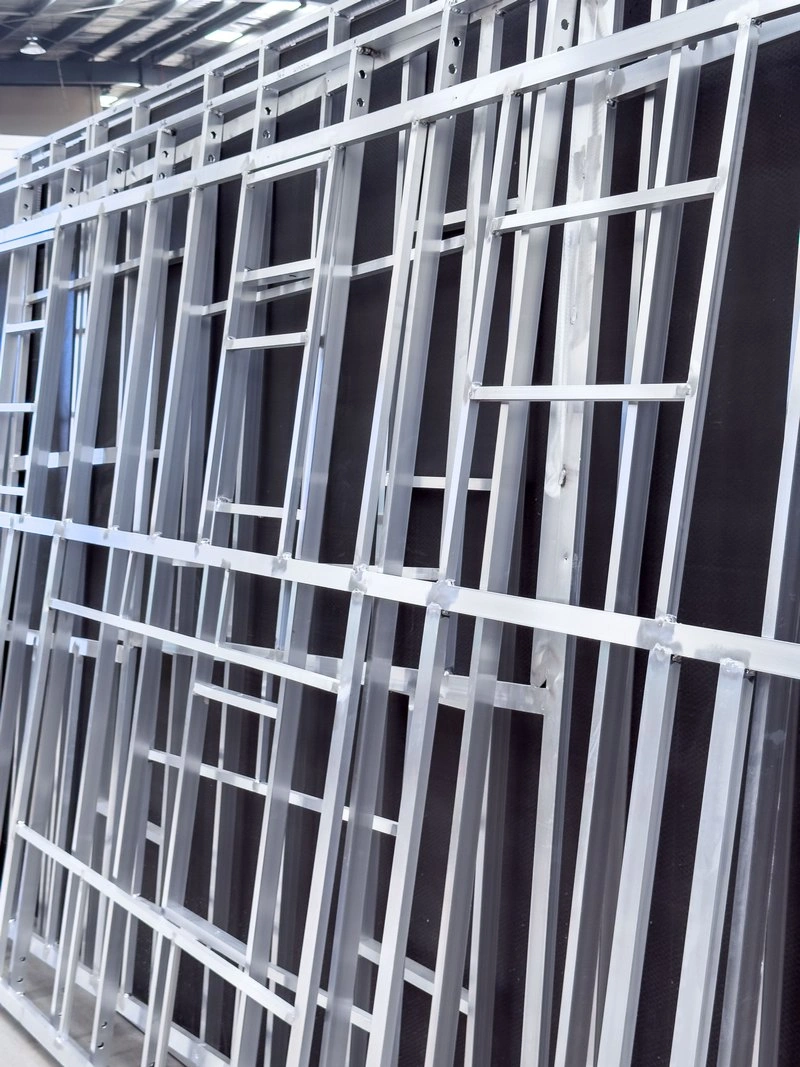
Description text (Left) – Urban uses full TIG-welded aluminium frames. No MIG welding, most certainly not rivets, and absolutely no timber anywhere in the structure. TIG welding is slower and more expensive, but it produces stronger, cleaner welds with far better control over heat and penetration. For caravan frames, that matters. It means less distortion, more consistent joins, and better long-term fatigue resistance especially off-road.
Initially, Urban explored aluminium frame construction well before it became popular across the industry. Early on, the factory manager made a clear call: he would rather build a traditional timber caravan than produce an aluminium one that wasn’t TIG welded.
The reason is simple. Many aluminium frames in the market rely on riveted construction. Those rivets are often punched straight through the aluminium without pre-drilling, requiring overlapping C-section alloys to create joins. That approach introduces two problems. A) it isn’t as strong as RHS (rectangular hollow section), and B) over time those overlaps can work, stress, and open up as the frame flexes. And flex it will, any time a caravan is being towed, the frame is moving.
Urban wasn’t willing to accept those compromises. TIG welding allows the use of true RHS alloy sections and creates a fully bonded joint rather than a mechanical one. It delivers a stronger, cleaner, and far more consistent frame that’s designed to flex as a whole, not fatigue at connection points.
In Australia, skilled TIG welders are highly valuable and hard to come by. Urban made the long-term commitment early, building and maintaining some of the strongest welding relationships in the industry to ensure this standard could be met consistently. It’s a decision that’s slower, more expensive, and more demanding, but it’s also the reason Urban’s aluminium frames are built the way they are today.
The frame itself is built using high-quality Australian aluminium RHS sections in all critical load-bearing areas. These frames are hand-welded into sections. The walls, roof, front and the rear. They are then locked and bolted together, allowing the van to flex naturally without cracking, which is a big part of why Urban stands behind their structural integrity.
Being timber-free also removes one of the biggest long-term risks in caravans: rot. Even with excellent sealing, condensation can occur over time, particularly in New Zealand where we get cold nights and warm days. Aluminium simply doesn’t suffer from the issues timber does, and that’s a huge advantage over the long haul.
TIG-welded aluminium frames are widely accepted as the premium construction standard. The real question isn’t whether it’s better – it’s whether that level of construction makes sense for how you plan to use your caravan.
Description text (Left) – Urban uses full TIG-welded aluminium frames. No MIG welding, most certainly not rivets, and absolutely no timber anywhere in the structure. TIG welding is slower and more expensive, but it produces stronger, cleaner welds with far better control over heat and penetration. For caravan frames, that matters. It means less distortion, more consistent joins, and better long-term fatigue resistance especially off-road.
Initially, Urban explored aluminium frame construction well before it became popular across the industry. Early on, the factory manager made a clear call: he would rather build a traditional timber caravan than produce an aluminium one that wasn’t TIG welded.
The reason is simple. Many aluminium frames in the market rely on riveted ...
Materials That Move the Industry Forward
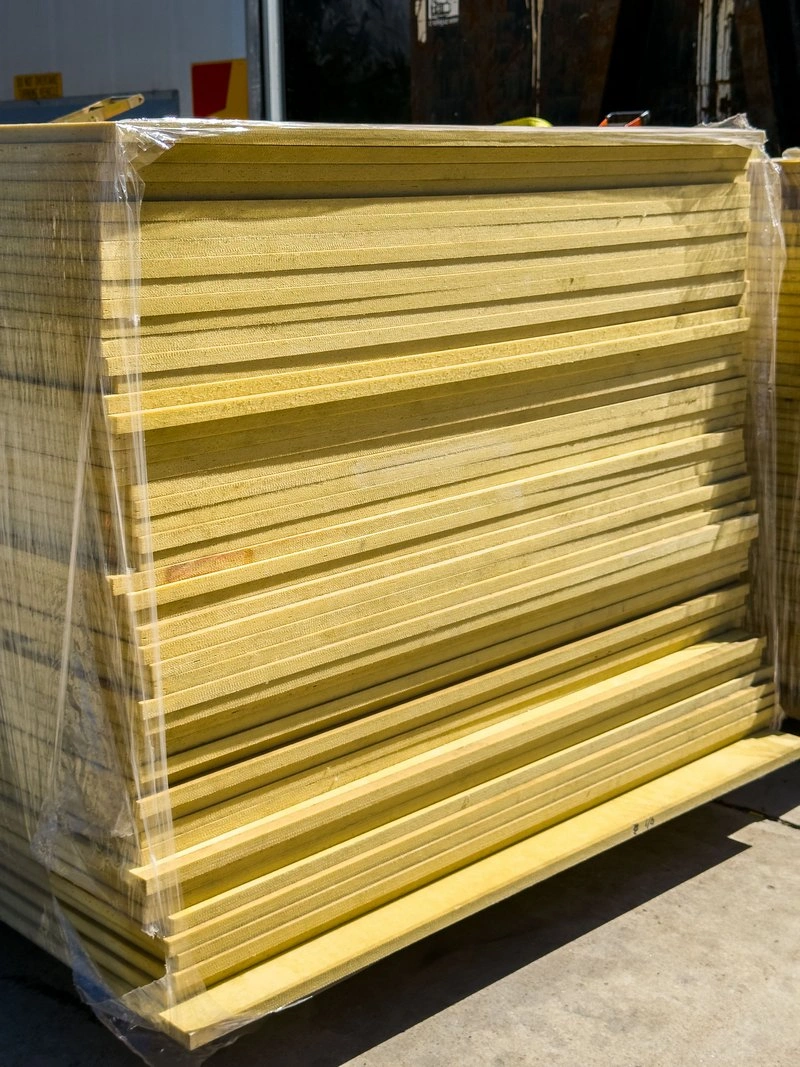
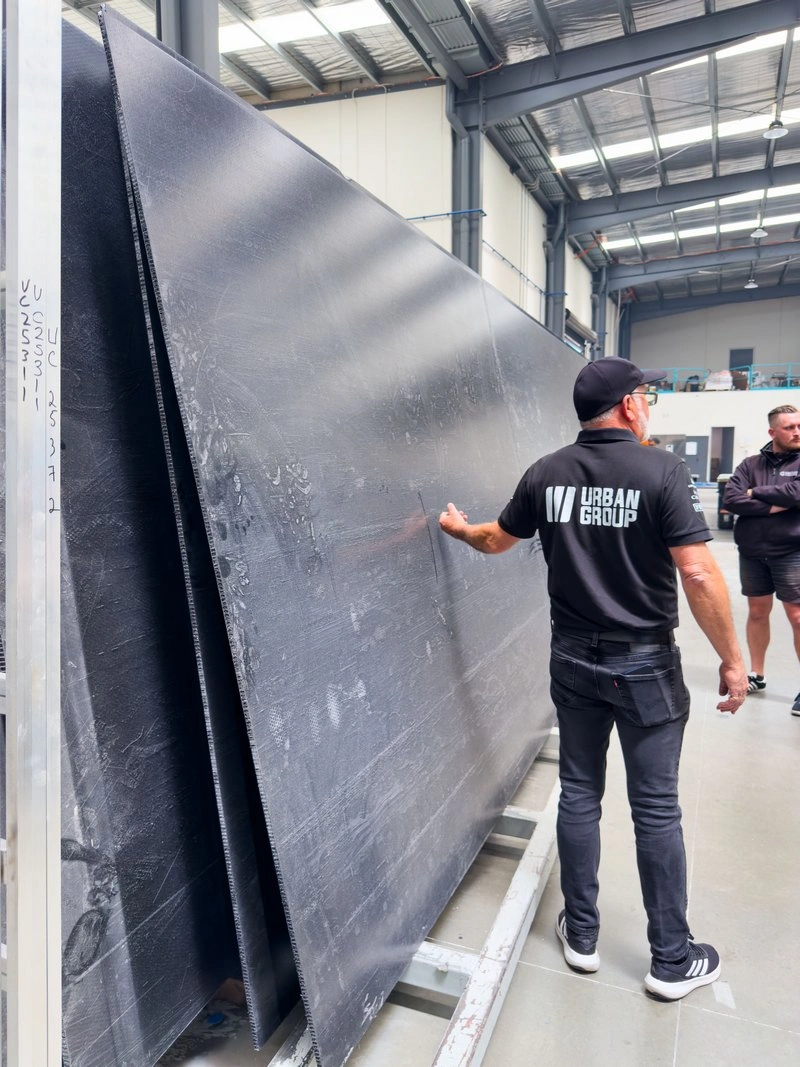
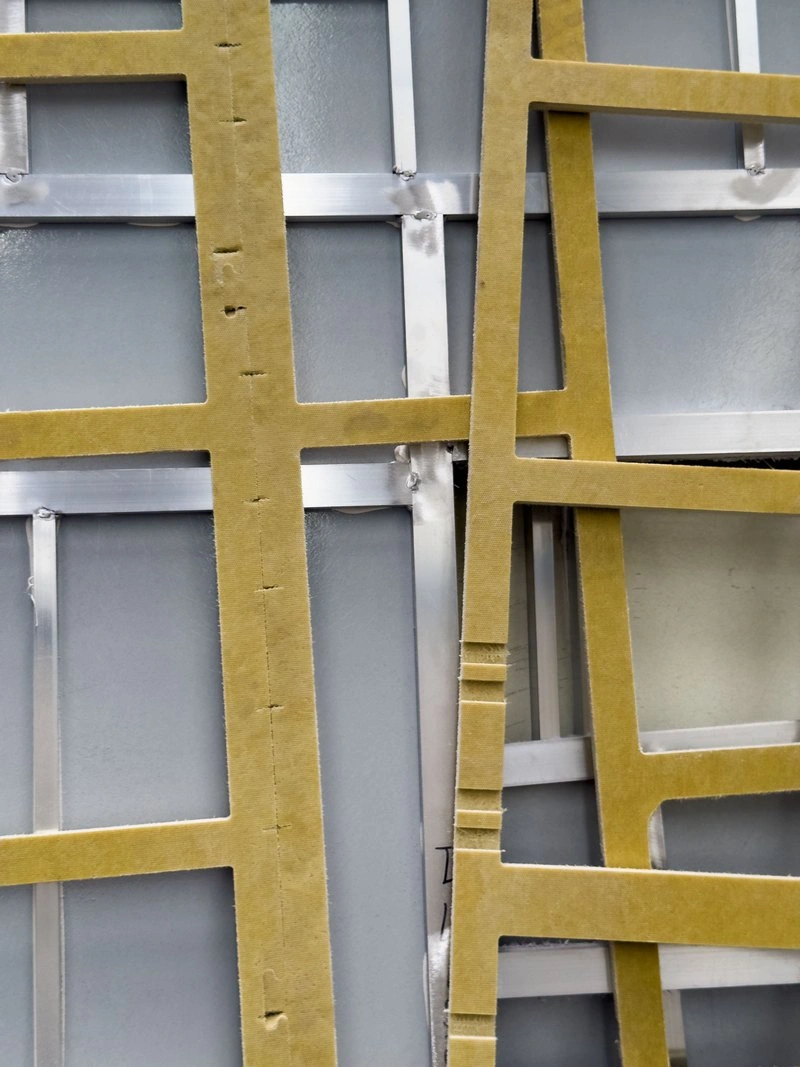
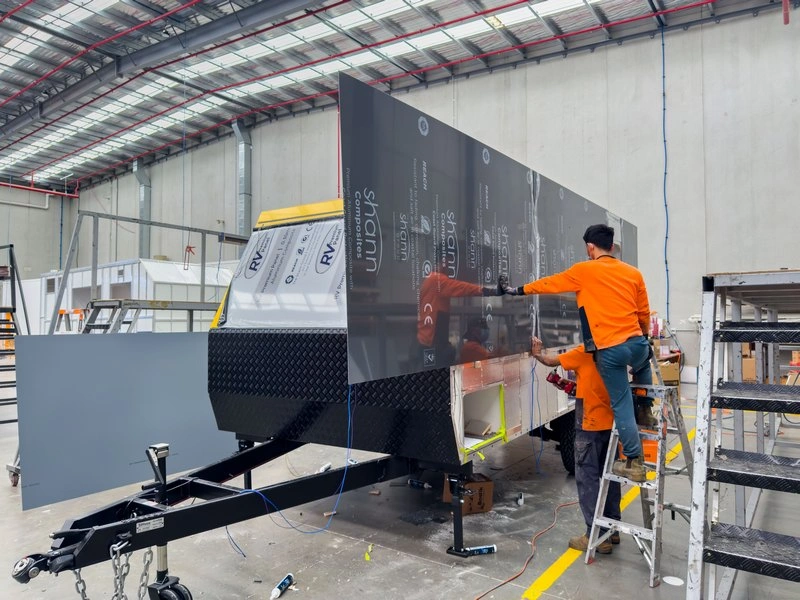
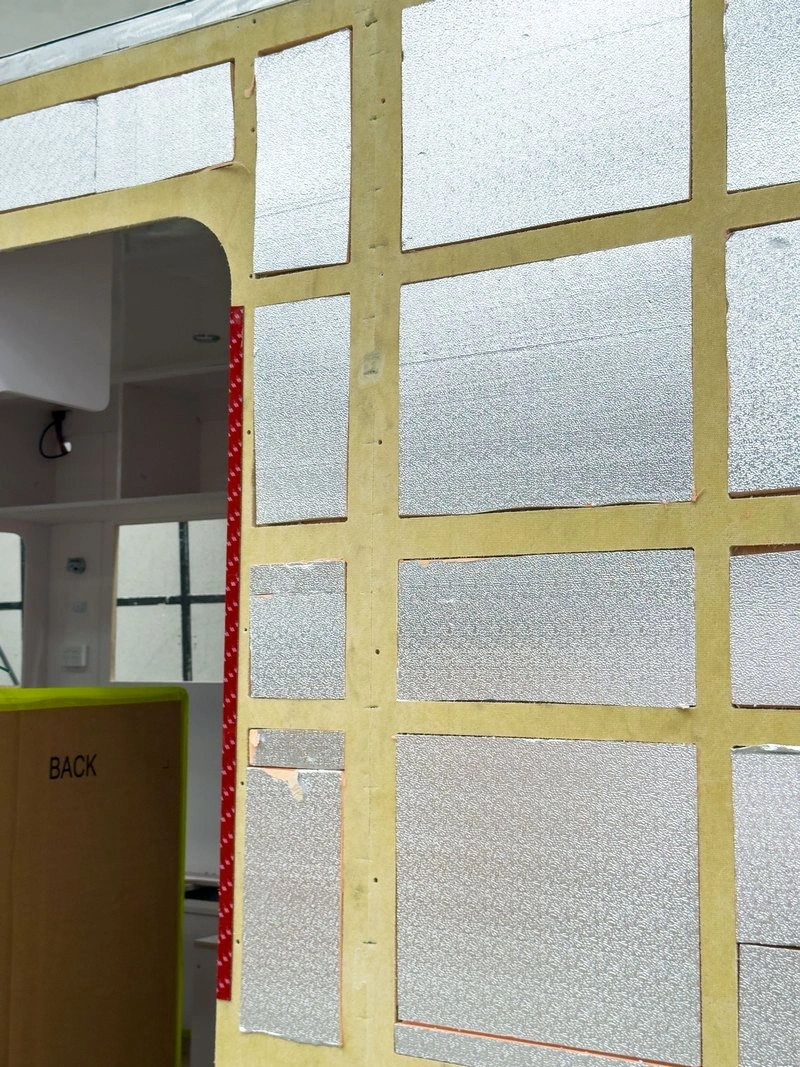
Description text (Right) – Here’s another interesting fact: Urban doesn’t just assemble caravans, they actively develop and refine the materials used to build them. Over the years this has included advanced composite flooring systems using honeycomb polymers and fibreglass, as well as CNC-cut composite resin and fibreglass framing systems designed for accuracy, consistency, and long-term durability. More recently, this approach has extended to Urban’s phenolic insulation system. This insulation carries one of the highest R-ratings available in caravan construction and is made from a super-dense, closed-cell foam bonded with heat-dissipating alloy skins. The result is better thermal stability in both hot and cold conditions, improved acoustic performance, and far greater resistance to moisture and condensation, all critical in real-world touring environments.
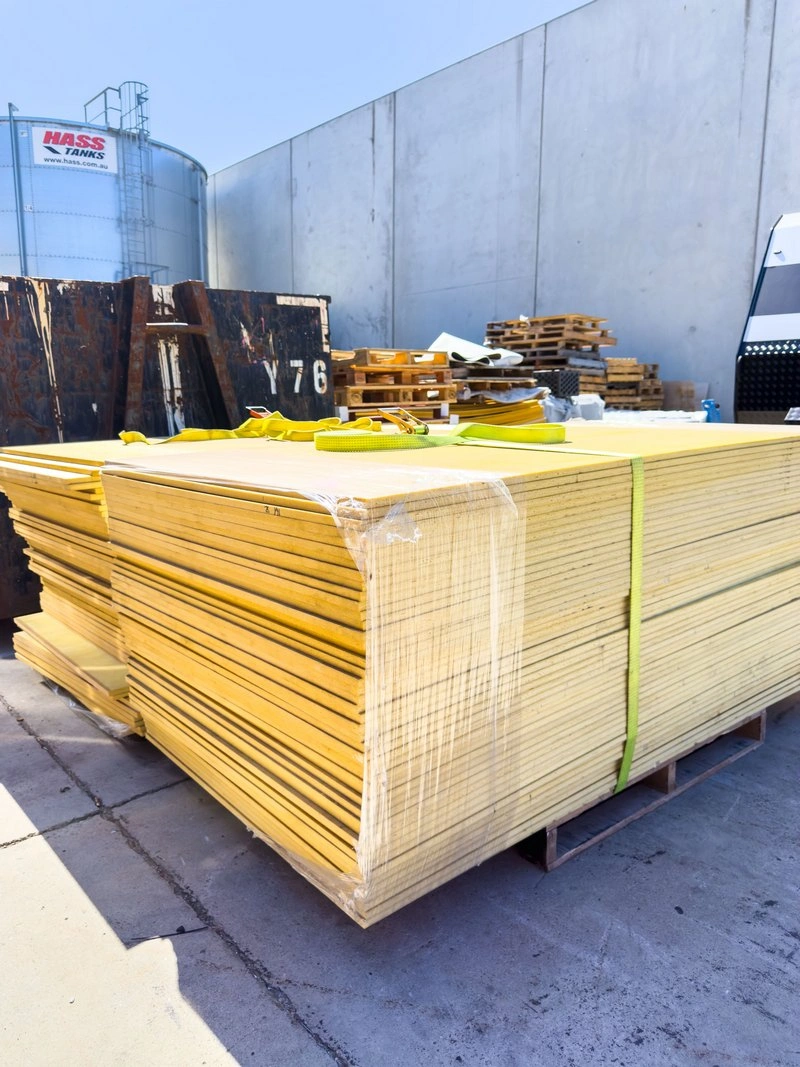
Last year, Urban also introduced RE.Lite, a material developed through Urban Republic specifically to replace traditional kiln-dried pine in furniture construction. RE.Lite is a high-density PET foam substrate made from 100% recycled material. It is significantly lighter than timber, dimensionally stable, and completely unaffected by moisture. This allows furniture components to be CNC cut with extreme precision, sealed more completely, and better able to handle the constant vibration and movement a caravan experiences on the road. Reducing weight in furniture also improves overall towability without compromising strength or longevity.
This isn’t marketing-driven development, it’s ongoing engineering. It’s a continuous improvement process, not a set-and-forget build.
Description text (Right) – Here’s another interesting fact: Urban doesn’t just assemble caravans, they actively develop and refine the materials used to build them. Over the years this has included advanced composite flooring systems using honeycomb polymers and fibreglass, as well as CNC-cut composite resin and fibreglass framing systems designed for accuracy, consistency, and long-term durability. More recently, this approach has extended to Urban’s phenolic insulation system. This insulation carries one of the highest R-ratings available in caravan construction and is made from a super-dense, closed-cell foam bonded with heat-dissipating alloy skins. The result is better thermal stability in both hot and cold conditions, improved acoustic performance, and far greater resistance ...
Furniture Built to Last
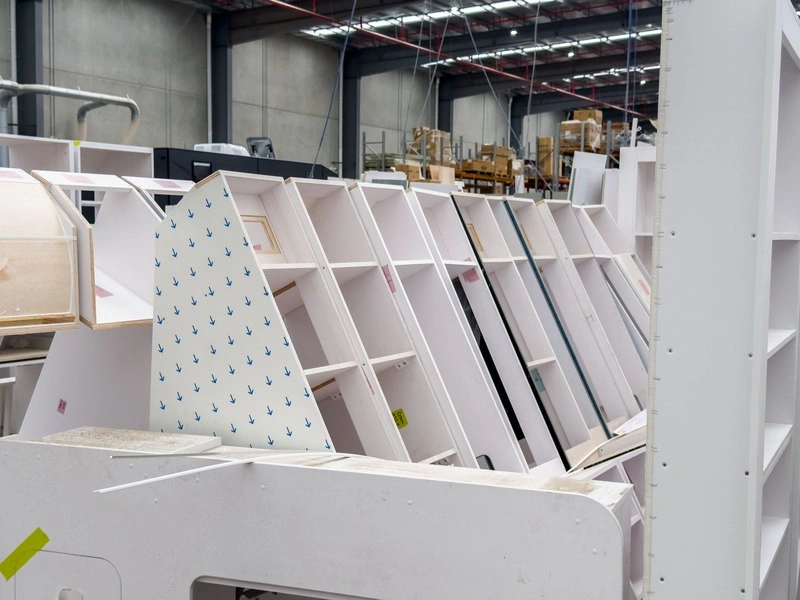
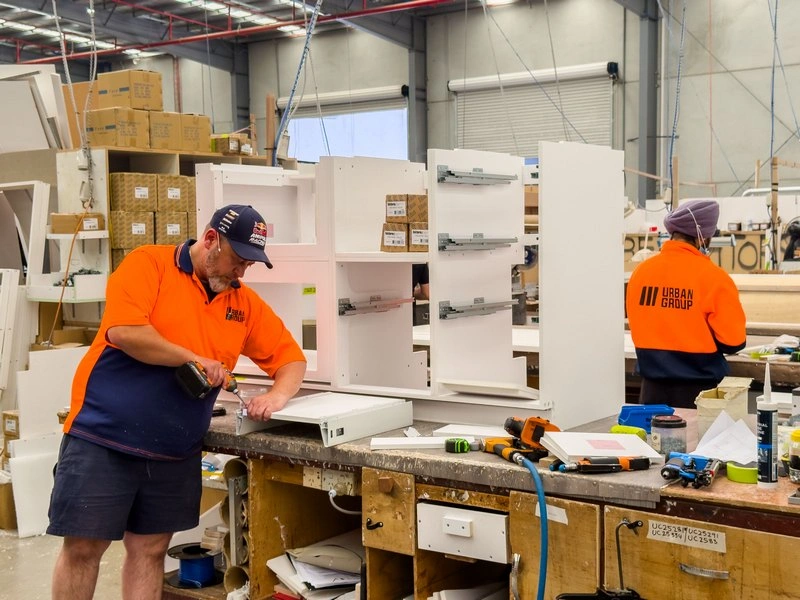
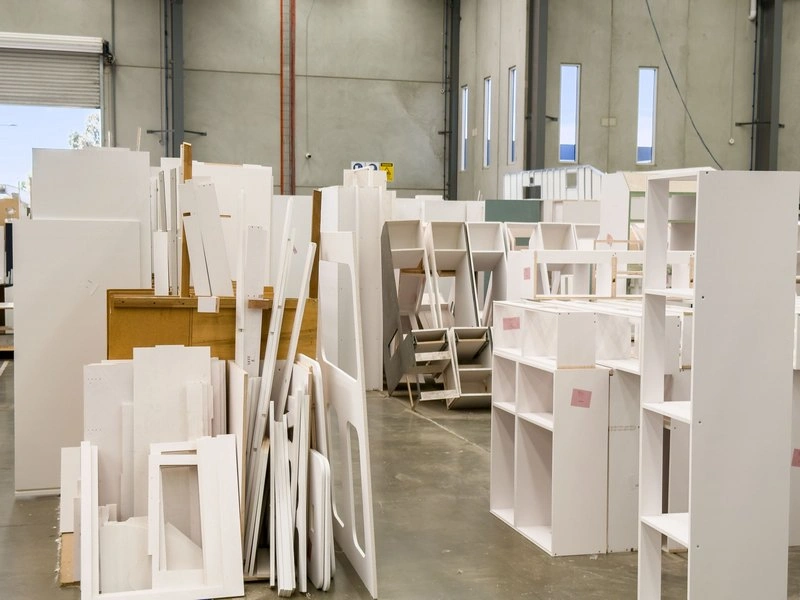
Description text (Left) – The way furniture is built inside an Urban caravan is very deliberate.Rather than using the caravan walls as the primary structural support for cabinets (which is common across the industry), Urban builds full carcass furniture units. Each cabinet is constructed to be structurally sound on its own, then secured into the van. That means the furniture isn’t relying on the walls for strength, and the walls aren’t carrying unnecessary load.
All furniture components are CNC cut in-house, allowing for tight tolerances, accuracy and consistency. Panels are joined using CNC-machined tongue-and-groove and interlocking profiles, rather than basic butt joints. This increases glue surface area, keeps cabinets square, and spreads load evenly through the structure.
Assembly uses both glue and mechanical fixings, not one or the other. The glue creates a continuous structural bond, while fixings support the joint through vibration and movement over time. The cabinets are then sealed to prevent moisture and dust working into joints.
All furniture is built from kiln-dried ply or RE.Lite which we covered in the materials paragraph above. It’s a method built for longevity, not just first impressions!
A lesser-known fact is that Urban’s cabinetry operation was the original backbone of the company and today NewAge Upholstery produces furniture for over 30 manufacturers across the industry.
Description text (Left) – The way furniture is built inside an Urban caravan is very deliberate.Rather than using the caravan walls as the primary structural support for cabinets (which is common across the industry), Urban builds full carcass furniture units. Each cabinet is constructed to be structurally sound on its own, then secured into the van. That means the furniture isn’t relying on the walls for strength, and the walls aren’t carrying unnecessary load.
All furniture components are CNC cut in-house, allowing for tight tolerances, accuracy and consistency. Panels are joined using CNC-machined tongue-and-groove and interlocking profiles, rather than basic butt joints. This increases glue surface area, keeps cabinets square, and spreads load evenly through the structu ...
Technology With a Purpose
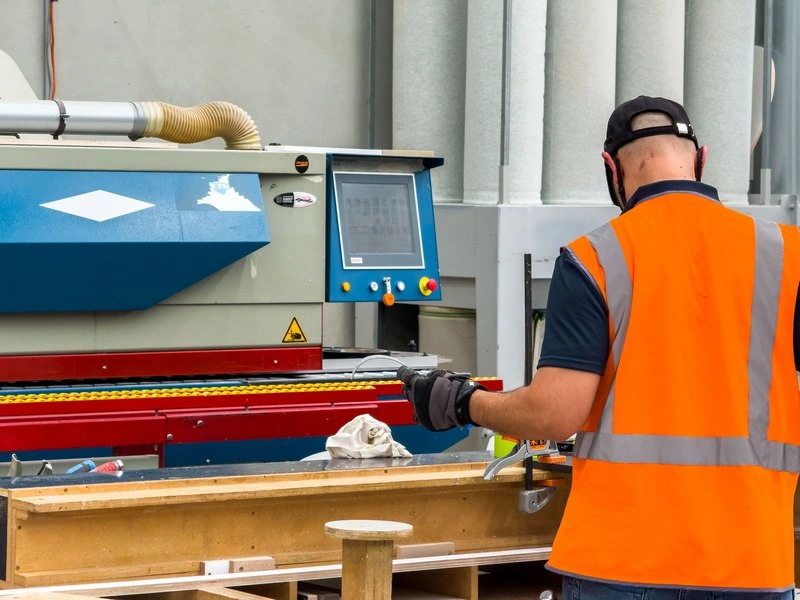
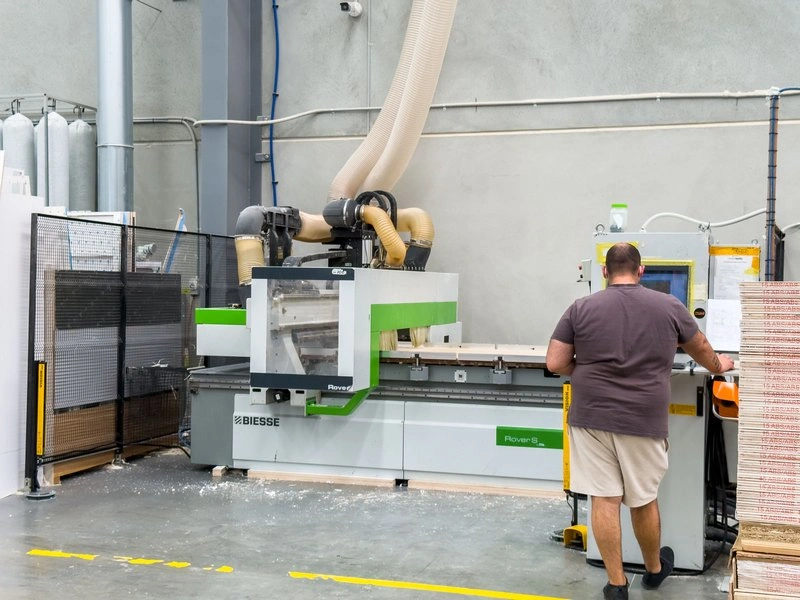
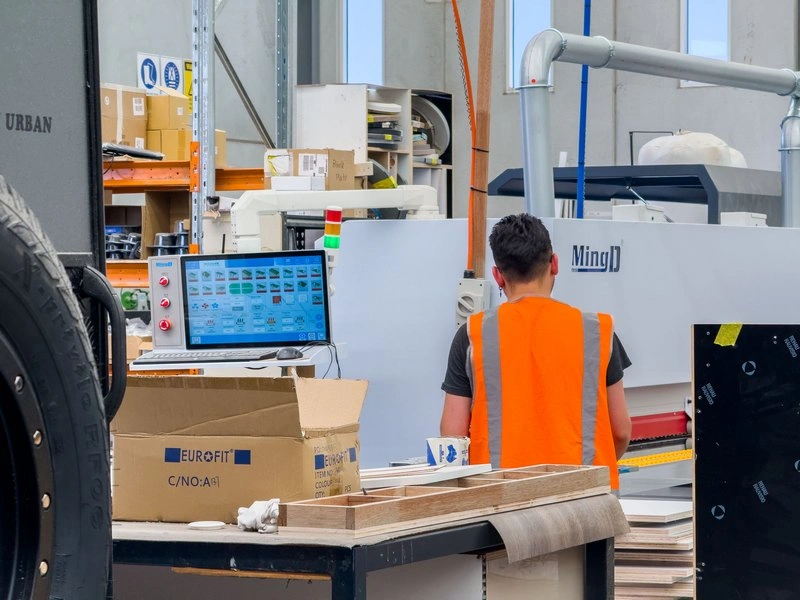
Description text (Right) – Urban uses state-of-the-art manufacturing technology, but never for the sake of it. Every machine on the factory floor has a job to do, and that job is about consistency, precision, and long-term build quality, not speed for speed’s sake.
Large-scale CNC machines, routers and edge banders allow Urban to work to extremely tight tolerances across cabinetry, wall systems and composite components. That level of accuracy means components fit together exactly as designed, every time, reducing the need for compromise, adjustment or stress being introduced during assembly. It allows complex interlocking joints, tongue and groove profiles and composite structures that simply are not achievable with manual processes!
TIG welding plays the same role on the structural side. It delivers consistent weld quality, controlled heat input and strong, clean joins across aluminium frames and critical components. That consistency matters, especially in caravans designed to flex and move over thousands of kilometres! The common thread is control. Technology gives Urban control over tolerances, materials and outcomes, which translates directly into caravans that are tighter, more durable and more consistent from one build to the next. It’s not about making things faster. It’s about making them better every iteration.
Description text (Right) – Urban uses state-of-the-art manufacturing technology, but never for the sake of it. Every machine on the factory floor has a job to do, and that job is about consistency, precision, and long-term build quality, not speed for speed’s sake.
Large-scale CNC machines, routers and edge banders allow Urban to work to extremely tight tolerances across cabinetry, wall systems and composite components. That level of accuracy means components fit together exactly as designed, every time, reducing the need for compromise, adjustment or stress being introduced during assembly. It allows complex interlocking joints, tongue and groove profiles and composite structures that simply are not achievable with manual processes!
TIG welding plays the same role o ...
Quick Spec Snapshot